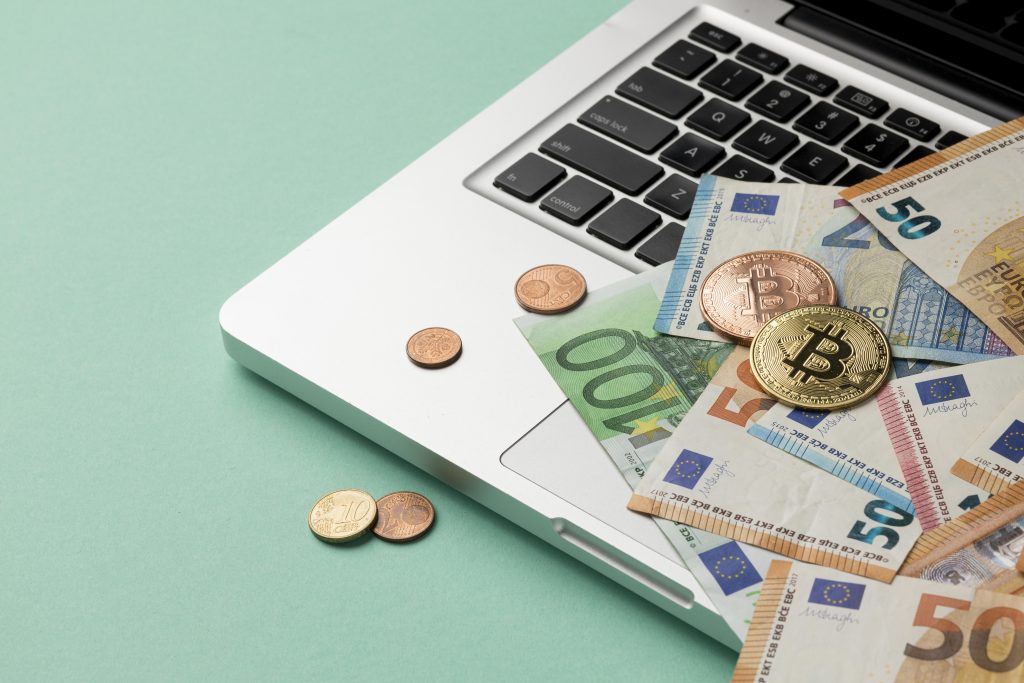
The European Central Bank (ECB) has made its intentions clear: a Digital Euro is on the horizon. Pitched as a “public money for the digital age,” it promises to be fast, secure, and accessible, a digital companion to physical cash. But amid the buzz and policy papers, an essential question remains unanswered: do ordinary citizens, like you and me, understand what it is, and why it matters?.
At its core, the Digital Euro is not a cryptocurrency. Unlike Bitcoin or Ethereum, it would be issued by a central authority, the ECB, and backed by public trust, not volatility. Think of it as the digital equivalent of the coins in your wallet, but programmable, traceable, and accessible on your smartphone.
For Malta, a small island economy deeply integrated within the Eurozone, the implications are significant. A Digital Euro could reduce reliance on costly payment infrastructures dominated by non-European providers, streamline government transfers and social benefits, and increase financial inclusion for unbanked or digitally hesitant populations. It could also, if designed with care and behavioural thought, serve as a bulwark against future financial crises by ensuring that public money remains relevant in an age of private digital payment platforms.
But with opportunity comes complexity.
The ECB has stated that privacy will be a top priority, no small reassurance in a world wary of surveillance capitalism. Yet concerns remain: Will the Digital Euro be truly anonymous like cash? Will it limit how much one can hold? Could it unintentionally undermine bank deposits and spark a shift in monetary stability?
Most importantly: will people trust it?
Financial education is critical to bridging the communication gap between policy and public understanding. Teachers need to understand before introducing students to the concepts of central banks, fiat currency, and digital assets. Banks must prepare to explain the difference between a digital Euro and their existing mobile services, ideally in simple language, not dense regulatory jargon. And government agencies must commit to multilingual, accessible campaigns that explain how to use the Digital Euro, how it complements cash, and how to avoid fraud.
A recent FreeHour Malta survey among Gen Z revealed that while 75% feel confident making online payments, only 1 in 5 understand how digital money is regulated. That’s not a gap, that’s a warning sign!.
If introduced without public education, the Digital Euro risks becoming an elite tool for those already digitally fluent. But if rolled out thoughtfully, with educators, fintech, and policymakers working in concert, it could signal a new era of inclusive, accountable digital finance.
The ECB isn’t just launching a new currency. It’s setting a precedent. And small nations like Malta have an outsized opportunity to shape how that precedent is received, understood, and trusted by everyday people.
Because at the end of the day, a currency is only as strong as the confidence we place in it